Tag: plumbing services

Leak Detection Services for Early Problem Prevention

A professional leak detection company is equipped with specialized knowledge and advanced equipment to pinpoint the location of hidden leaks. They can also offer services that reduce water waste and prevent potential health hazards, such as mold growth.

Undetected leaks can lead to extensive damage, compromising the integrity of your home or business and increasing your water bills. Ranger Plumbing Company professionals can detect these issues promptly, saving you from further damage and costly repairs.
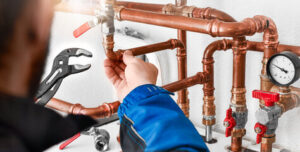
plumbing

Avoid Water Damage

Water damage is a serious problem that can lead to a wide range of issues in homes and businesses. It can affect personal belongings, structural components, and electrical systems. Fortunately, early leak detection services can prevent the onset of such problems and reduce the risk of extensive property damage.

Even a small leak can cause major problems. It can waste hundreds of gallons of water, increase water bills, and cause unnecessary stress on the plumbing system. Moreover, the uncontrolled flow of water can result in mold and mildew growth, damage to building materials, and weakened structural integrity. Often, the cost of fixing such damage is more than what many homeowners can afford.

The occurrence of a plumbing leak can be difficult to detect because it occurs underneath the surface of your home or business premises. However, a professional company has specialized equipment and tools that can help locate the source of the leaks. These tools, such as acoustic listening devices, infrared cameras, and moisture meters, can identify the location of a leak without the need to dig up your entire property.

This approach minimizes the impact on your property and saves you money. It also provides you with peace of mind knowing that you have taken proactive measures to avoid costly repairs.

Leaks can occur due to loose or broken pipes or as a result of old and worn-out seals. Professional leak detection services can identify the location of the leak and recommend appropriate repair solutions. They can also recommend the best preventative maintenance strategies to protect your home or business against future leaks.

A leaking pipe can cause flooding, which destroys flooring and carpets and causes irreparable property damage. It can also contaminate electrical systems and create safety hazards. A burst pipe can also contaminate the surrounding environment by causing contamination of soil and water supplies. Fortunately, professional water leak detection services can quickly respond to such emergencies by shutting off the main water supply and using barriers and pumps to contain and remove excess water. They can also advise on safety precautions, such as avoiding electrical areas until the situation is resolved.

Save Money on Water Bills

Professional leak detection services are a cost-effective way to prevent damage to your property and save money on your water bills. Undetected leaks can waste a lot of water over time, leading to inflated water bills. Identifying and repairing these leaks early can help you save on your utility bills while also protecting your plumbing system and property.

Even small leaks can cause extensive damage over time if left unchecked. This damage can include structural damage to walls, flooring, and foundations, and mold and mildew growth. Professional leak detection services can identify these problems and recommend repair solutions to avoid costly repairs down the road.

Trying to resolve a hidden leak problem yourself can be difficult and time-consuming. Without the proper tools, it is easy to miss the source of the leak and fail to fix it properly. Hiring professionals to perform a quick and accurate leak detection service saves you time and effort and ensures the problem is fully resolved.

Experienced plumbers have the right equipment and know-how to find and repair leaks quickly and efficiently. They use precise tools such as acoustic sensors that can hear water movement behind walls and thermal imaging cameras that detect temperature changes caused by moisture. These non-invasive techniques help them locate the source of the leak without damaging your property, allowing them to provide a detailed report and accurate quote for the necessary repairs.

Leaks detected by professionals can be fixed immediately to reduce water wastage and slash your water bills. This helps you protect your home and plumbing system and save on costly repairs in the future. In addition, identifying and addressing leaks promptly helps prevent health hazards such as excessive moisture that can encourage mold and mildew growth.

The best way to avoid expensive leak repairs is to perform regular maintenance on your plumbing and keep an eye out for any signs of water damage. This includes regularly checking your meter, looking for damp spots on the ceiling or walls, and hearing running water when fixtures are turned off. If you notice any of these signs, it is important to contact a professional leak detection service as soon as possible.

Prevent Health Hazards

Professionals use their expertise and advanced equipment to accurately pinpoint leaks, even in hidden or hard-to-reach areas. This ensures that you can save on water usage and lower your utility costs. It also helps prevent health hazards, such as mold and mildew growth, and protects you against unforeseen expenses caused by extensive repair work.

Leaks that go undetected can weaken structures, warp flooring, and cause mold growth. These damages can significantly reduce a property’s value and necessitate costly repairs. Professional leak detection services can identify these problems before they become more serious, saving you money and preventing structural depreciation.

When hiring a professional leak detection service, you should look for a company with experience and an excellent track record. Choose one that offers a comprehensive analysis and solutions at competitive prices. Also, choose a company that uses state-of-the-art technologies, such as infrared thermography and acoustic leak detection, to detect hidden issues.

Professionals conduct a preliminary inspection of the affected area and check for visible signs of leaks, including damp spots, unexplained increases in your water bill, and unusual sound frequencies when water is turned on. They can then use acoustic listening devices to locate leaks inside walls, floors, and underground pipes. This process allows them to identify the exact location and severity of the problem, minimizing the need for exploratory demolition and saving you more time and money.

Leaks can be a serious health risk, particularly for people with asthma or allergies. They can also cause damage to appliances and electrical systems. Water leaks can lead to flooding, sewage backup, and fires. By conducting regular professional leak detection, you can avoid these health risks and keep your family safe.

Leaks that are left unchecked can cause extensive damage to a home or business and significantly increase utility bills. By investing in professional leak detection services, you can safeguard your investment and protect your property from expensive damage. Additionally, a professionally-detected and repaired leak can help you attract prospective buyers and increase your property’s resale value.

Prevent Damage to Your Property

Professionals have specialized tools and expertise that help them detect leaks accurately without damaging your property. This is important since water damage can deteriorate structural components and lead to mold growth that poses health risks. In addition, undetected leaks can result in inflated water bills and environmental concerns. Regular professional leak detection services help preserve the integrity of your property and save you money in the long run.

Leak detection services are available for both residential and commercial properties. When choosing a company, look for one that has extensive experience and a high customer satisfaction rating. In addition, choose a company that uses cutting-edge technology such as thermal imaging cameras and acoustic listening devices to locate leaks quickly and precisely. This helps avoid costly damage to walls, floors, and ceilings.

Depending on the severity of the leak, professionals can repair the leak and restore affected areas. They can also inspect your entire plumbing system to ensure that all leaks are identified and repaired. Leaks that are left unaddressed can cause major problems such as rotting wood, damaged flooring, and mold growth. In addition, water can seep into electrical wiring and cause short circuits, which pose a fire risk.

In addition to affecting the structure of your home, leaks can also damage personal belongings and electronics. If you notice water staining on ceilings or walls, a sudden increase in your water bill, or musty smells, it is likely time to call for leak detection services. Professionals will be able to locate and repair the leak before it causes serious damage, saving you the cost of replacing expensive furniture and appliances.

Hidden leaks are a significant waste of water, leading to inflated water bills and contributing to environmental concerns. Professionals use advanced techniques to identify and repair leaks, resulting in reduced water usage and lower utility bills. The cost savings from these services offset the initial investment in hiring a plumber to carry out leak detection and repairs.
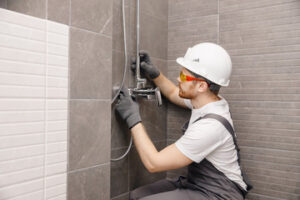
Water Damage From Faulty Plumbing Fixtures: How Remediation Addresses It

Water damage is one of the most common and destructive issues a property owner can face, and faulty plumbing fixtures are often the hidden culprits behind it. Whether it’s a slow leak beneath a sink, a dripping supply line, or a malfunctioning appliance connection, water can spread quickly and silently. When left unaddressed, even minor plumbing issues can escalate into significant structural damage, health risks, and costly repairs. This is why understanding the connection between plumbing failures and water damage is essential, as well as how professional remediation restores safety and stability.

A well-structured approach to Water Damage Remediation Salt Lake City not only resolves the immediate effects of moisture intrusion but also helps prevent long-term deterioration. By addressing both visible and concealed impacts, remediation specialists ensure properties remain protected from recurring problems.

plumbing

Understanding Water Damage Caused by Faulty Plumbing Fixtures

Faulty plumbing fixtures can lead to water damage in various ways, depending on the source of the leak and how long it has been occurring. Many homeowners are unaware of ongoing plumbing issues until visible signs appear, such as warped flooring, musty smells, or stains on ceilings. Unfortunately, by the time these signs surface, water may have already infiltrated deeper structural components.

Common plumbing-related causes of water damage include:

  • Leaking faucets that drip into cabinets or countertops, soaking porous materials.
  • Damaged pipes or supply lines that burst or leak due to pressure changes, age, or corrosion.
  • Faulty toilet seals that allow water to escape around the base and seep into the flooring.
  • Malfunctioning appliances, such as washing machines or dishwashers, that overflow or leak during operation.
  • Clogged drains that force water backward, causing overflow and saturation.

The nature of plumbing leaks makes them particularly damaging because they often begin slowly and quietly. Water can accumulate behind walls, under floors, or within insulation layers long before surface symptoms appear. This hidden moisture can lead to mold growth, wood rot, and structural deterioration.

The Hidden Impact of Plumbing-Related Water Damage

Water that escapes from plumbing fixtures can create several layers of damage within a property. While some effects are immediately noticeable, others continue developing long after the initial leak begins. Professionals categorize this damage into different groups to determine the severity and the required remediation efforts.

Immediate effects include:

  • Surface wetness on flooring, cabinetry, or countertops
  • Damp carpets or rugs
  • Pooled water near the source of the leak

Progressive effects include:

  • Warped or swollen wood materials
  • Compromised drywall or ceiling panels
  • Mold growth within 24 to 48 hours of moisture exposure
  • Electrical hazards caused by moisture contacting wiring systems

Long-term effects include:

  • Structural weakening of flooring components and wall supports
  • Persistent mold colonies that damage indoor air quality
  • Corrosion of metal fixtures or fasteners
  • Insulation saturation leading to energy inefficiency

Professional remediation is essential because these layers of damage require different approaches, tools, and strategies to fully restore the affected areas.

Why Remediation Is Essential for Plumbing-Related Water Damage

Water damage remediation is a comprehensive process designed to remove unwanted moisture, repair affected materials, and restore safety. When plumbing fixtures fail, simply stopping the leak is not enough. Water remediation specialists must address the immediate water intrusion and the hidden consequences to ensure structural integrity.

Without proper remediation, water can continue to cause deterioration even after the source is fixed. For example, moisture trapped inside wall cavities or subfloors can weaken support beams and create ideal conditions for mold. Remediation goes beyond drying surfaces—it includes targeted strategies to eliminate moisture at all levels.

Key Steps in the Water Damage Remediation Process

Water damage remediation involves several stages, each addressing a different aspect of the damage. Professional teams rely on specialized tools and industry guidelines to ensure a thorough restoration.

Inspection and Leak Source Identification

The first step in remediation is assessing the source and extent of the damage. Technicians use tools such as moisture meters, infrared cameras, and hygrometers to detect hidden pockets of water. Identifying the faulty plumbing fixture is critical to preventing additional damage.

This phase typically includes:

  • Identifying and shutting off the leak source
  • Documenting all affected areas
  • Determining water category and contamination level
  • Creating a remediation plan

Water Extraction and Moisture Removal

Once the leak is stopped, standing water must be extracted quickly to prevent further damage. Professional-grade pumps and vacuums remove water more efficiently than household tools.

After extraction, technicians begin the drying process using:

  • High-speed air movers
  • Industrial dehumidifiers
  • Air scrubbers for odor and particle control

The goal is to restore moisture levels to safe standards while preventing the spread of mold or bacteria.

Removal of Damaged Materials

Depending on the severity of the plumbing leak, certain building materials may need to be removed. This step ensures that saturated or contaminated materials do not compromise the restored environment.

Common removal tasks include:

  • Cutting out wet drywall
  • Pulling up damaged flooring or carpet
  • Removing wet insulation
  • Cleaning or disposing of affected cabinetry

This stage helps reduce mold risk and prepares the area for reconstruction.

Sanitization and Mold Prevention

Water damage caused by plumbing fixtures can introduce bacteria or encourage mold growth. Remediation teams sanitize affected areas with antimicrobial treatments to ensure safety.

Typical procedures include:

  • Applying disinfectants to surfaces
  • Using mold-inhibiting agents
  • Filtering air with HEPA-equipped machines

Proper sanitization eliminates harmful microorganisms and helps prevent mold from returning.

Structural Drying and Reconstruction

After the affected area is dried and sanitized, reconstruction begins. This phase focuses on restoring the property to its original condition or improving it where possible.

Reconstruction may involve:

  • Installing new drywall
  • Replacing flooring
  • Restoring cabinetry
  • Repairing structural components

This final step ensures the property is safe, stable, and fully functional.

How Remediation Protects Against Future Plumbing Damage

Proper remediation does more than fix current issues—it also helps prevent future problems. By thoroughly inspecting the damaged area, professionals may discover weaknesses or risks that homeowners weren’t aware of.

For example, remediation specialists may identify:

  • Deteriorating pipe materials
  • Poor fixture installation
  • Inadequate waterproofing
  • Previous water damage that was never properly repaired

Addressing these issues now can help property owners avoid costly repairs in the future.

Additionally, remediation restores indoor air quality by removing contaminants and reducing moisture levels. This prevents mold, mildew, and bacteria from thriving—common problems associated with unresolved plumbing leaks.

Early Warning Signs of Plumbing-Related Water Damage

Property owners can prevent extensive damage by recognizing early signs of faulty plumbing fixtures. Monitoring plumbing systems regularly makes it easier to detect issues before they escalate.

Common signs include:

  • Unexpected increases in water bills
  • Damp or discolored walls and ceilings
  • A musty or moldy odor
  • Low water pressure
  • Loose or wobbly fixtures
  • Pooling water around appliances or sinks

Taking action promptly helps minimize damage and speeds up the remediation process.

The Importance of Professional Help

While minor leaks may seem manageable, plumbing-related water damage often extends far beyond what property owners can see. DIY drying or patching may temporarily mask the problem, but rarely resolves the underlying issue.

Professional remediation offers several advantages:

  • Advanced tools for moisture detection
  • Faster and more effective drying equipment
  • Expertise in preventing mold and restoring structural components
  • Compliance with industry standards for safe remediation

These elements ensure a complete and reliable restoration process.

Water damage caused by faulty plumbing fixtures can escalate quickly if left untreated. Whether the issue stems from leaking faucets, damaged pipes, or malfunctioning appliances, hidden moisture can undermine structural integrity and compromise indoor air quality. Water damage remediation provides a comprehensive solution to these problems by addressing both the visible and concealed effects of moisture intrusion.

By identifying the source of the leak, removing excess water, drying affected materials, sanitizing surfaces, and restoring damaged structures, remediation professionals help protect properties from long-term deterioration. Staying alert to early warning signs and seeking timely assistance ensures that plumbing issues are handled safely and efficiently.

A thorough remediation process not only restores the property but also gives homeowners peace of mind, knowing that their living environment is secure, stable, and protected from future damage.

Water Heater Troubleshooting: Common Issues and Solutions

A reliable water heater is one of the most essential components of any modern plumbing system. From warm showers and clean dishes to laundry and daily hygiene, hot water plays a crucial role in maintaining comfort and convenience at home. However, like any appliance, water heaters can develop problems over time. Understanding how to troubleshoot common issues helps homeowners respond quickly, minimize disruptions, and avoid costly repairs.

Water heater troubleshooting does not always require advanced technical knowledge. Many problems begin with small warning signs that can be identified early through observation and regular maintenance. By learning the most common causes of water heater issues and practical solutions, homeowners can keep their systems running efficiently while extending the lifespan of their equipment. Get in touch with Plumbers Arvada for professional support.

plumbing

Understanding How Water Heaters Work

Before diving into troubleshooting tips, it is helpful to understand the basic function of a water heater. These systems heat and store water until it is needed, delivering a consistent supply throughout the home. Whether powered by electricity, gas, or alternative energy sources, water heaters rely on a combination of heating elements, thermostats, and safety components to operate effectively.

Over time, sediment buildup, worn-out parts, or fluctuating water pressure can interfere with performance. Even minor issues such as loose connections or incorrect temperature settings may cause noticeable changes in water temperature or efficiency. Knowing how these systems operate makes it easier to identify potential problems and determine the best course of action.

No Hot Water: Causes and Fixes

One of the most frustrating problems homeowners face is a sudden lack of hot water. This issue can stem from several sources, ranging from simple adjustments to more complex mechanical failures.

For electric water heaters, a tripped circuit breaker or faulty heating element may be the culprit. Gas-powered systems may experience issues related to the pilot light or gas supply. In some cases, the thermostat may be set too low, preventing water from reaching the desired temperature.

Steps to Troubleshoot No Hot Water:

  1. Check Power or Fuel Supply: Ensure the unit is receiving electricity or gas properly.
  2. Inspect the Thermostat Setting: Adjust it to a safe and efficient temperature range.
  3. Look for Error Indicators: Some units display warning lights or codes that signal specific problems.

If basic troubleshooting does not restore hot water, it may be time to consult a professional to avoid further complications.

Inconsistent Water Temperature

Fluctuating water temperatures can be both inconvenient and potentially dangerous. Sudden bursts of hot or cold water may indicate issues with the thermostat, heating elements, or sediment buildup inside the tank.

Sediment accumulation is a common cause of inconsistent heating. Minerals from hard water settle at the bottom of the tank, creating a barrier between the heating element and the water. This reduces efficiency and leads to uneven heating.

Regular flushing of the tank helps remove sediment and restore consistent performance. If temperature issues persist, inspecting or replacing faulty thermostats or heating components may be necessary.

Strange Noises Coming From the Water Heater

Unusual sounds such as popping, rumbling, or banging often signal underlying issues within the tank. These noises are typically caused by sediment buildup that hardens over time. As water heats beneath the sediment layer, trapped steam bubbles create the distinctive popping sound.

Ignoring these noises can lead to reduced efficiency and potential damage to the tank. Routine maintenance, including flushing the water heater, helps prevent sediment accumulation and extends the life of the unit.

Common Sounds and What They May Mean:

  1. Popping or Crackling: Sediment buildup heating unevenly.
  2. Humming: Loose components vibrating during operation.
  3. Whistling: Restricted water flow or pressure imbalance.

Addressing these sounds early can prevent larger mechanical failures down the line.

Low Hot Water Pressure

Reduced water pressure is another common issue that can disrupt daily routines. Mineral buildup inside pipes or the water heater itself may restrict water flow, resulting in weak pressure at faucets and showers.

In some cases, partially closed valves or clogged aerators contribute to the problem. Checking these components first can save time and effort. If the issue originates within the water heater, professional cleaning or part replacement may be required.

Maintaining proper water pressure not only improves comfort but also reduces strain on plumbing fixtures and appliances.

Discolored or Smelly Hot Water

If hot water appears rusty, cloudy, or emits an unpleasant odor, it may indicate corrosion inside the tank or bacterial growth. Rust-colored water often signals that the tank’s protective components are deteriorating, while foul odors may result from bacteria reacting with minerals in the water supply.

Flushing the tank and replacing worn internal parts can help resolve these issues. Installing water filtration or treatment systems may also improve water quality and prevent future problems.

Homeowners should address discoloration promptly, as it may indicate deeper issues that could compromise the system’s longevity.

Water Heater Leaks: What to Watch For

Leaks are among the most serious water heater problems and should never be ignored. Even a small drip can lead to significant water damage over time. Leaks may originate from loose connections, damaged valves, or internal tank corrosion.

Inspecting the area around the water heater regularly helps identify leaks early. If water is pooling near the base of the unit, turning off the water supply and seeking professional assistance is recommended to prevent further damage.

Early Signs of Potential Leaks Include:

  1. Moisture Around Fittings: Loose or worn connections may need tightening or replacement.
  2. Rust or Corrosion: Indicates aging components that may fail soon.
  3. Sudden Drops in Water Pressure: Could signal hidden leaks within the system.

Proactive monitoring helps homeowners avoid costly repairs and maintain a safe environment.

Water Taking Too Long to Heat

If hot water takes longer than usual to reach the desired temperature, the water heater may be struggling to operate efficiently. Aging heating elements, sediment buildup, or incorrect thermostat settings are common causes.

Adjusting the thermostat to an optimal level can sometimes resolve the issue. However, if heating delays continue, it may indicate that the system is nearing the end of its lifespan. Regular maintenance helps prevent efficiency loss and ensures reliable performance.

Preventive Maintenance Tips for Long-Term Performance

While troubleshooting helps resolve existing problems, preventive maintenance is key to avoiding future issues. Routine care keeps water heaters operating smoothly and reduces the risk of unexpected breakdowns.

Homeowners can take several steps to maintain their systems, such as scheduling annual inspections, flushing the tank to remove sediment, and checking pressure relief valves for proper function. Keeping the surrounding area clean and free of clutter also allows for easier inspection and airflow.

Essential Maintenance Practices to Follow:

  1. Flush the Tank Regularly: Removes sediment and improves heating efficiency.
  2. Test Safety Valves: Ensures proper pressure regulation.
  3. Inspect Connections: Prevents leaks and corrosion from developing.
  4. Monitor Temperature Settings: Balances comfort and energy efficiency.

These practices help extend the lifespan of the water heater and reduce long-term repair costs.

When to Call a Professional

While many water heater issues can be identified through basic troubleshooting, some situations require professional expertise. Persistent leaks, electrical problems, or gas-related issues should always be handled by trained technicians. Attempting complex repairs without proper knowledge may result in safety hazards or further damage.

Professional plumbers have the tools and experience needed to diagnose hidden problems and recommend effective solutions. Scheduling regular service appointments ensures that your water heater remains in peak condition and operates safely.

Water heater problems can disrupt daily life, but understanding common issues and solutions makes troubleshooting far less intimidating. From inconsistent temperatures and strange noises to leaks and low pressure, many challenges can be addressed through careful observation and regular maintenance.

By taking a proactive approach to water heater care, homeowners can enjoy reliable hot water, improved energy efficiency, and reduced repair costs. Preventive maintenance, timely troubleshooting, and professional support when needed all contribute to a plumbing system that runs smoothly year after year.

Ultimately, a well-maintained water heater is more than just an appliance—it is a vital part of a comfortable and efficient home. With the right knowledge and a commitment to regular care, homeowners can ensure their water heater continues to deliver dependable performance whenever it is needed most.

Navigation