Author: Bobby Harrell

Leak Detection Services for Early Problem Prevention

A professional leak detection company is equipped with specialized knowledge and advanced equipment to pinpoint the location of hidden leaks. They can also offer services that reduce water waste and prevent potential health hazards, such as mold growth.

Undetected leaks can lead to extensive damage, compromising the integrity of your home or business and increasing your water bills. Ranger Plumbing Company professionals can detect these issues promptly, saving you from further damage and costly repairs.
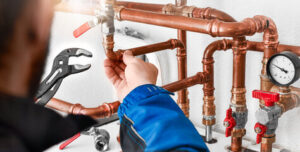
plumbing

Avoid Water Damage

Water damage is a serious problem that can lead to a wide range of issues in homes and businesses. It can affect personal belongings, structural components, and electrical systems. Fortunately, early leak detection services can prevent the onset of such problems and reduce the risk of extensive property damage.

Even a small leak can cause major problems. It can waste hundreds of gallons of water, increase water bills, and cause unnecessary stress on the plumbing system. Moreover, the uncontrolled flow of water can result in mold and mildew growth, damage to building materials, and weakened structural integrity. Often, the cost of fixing such damage is more than what many homeowners can afford.

The occurrence of a plumbing leak can be difficult to detect because it occurs underneath the surface of your home or business premises. However, a professional company has specialized equipment and tools that can help locate the source of the leaks. These tools, such as acoustic listening devices, infrared cameras, and moisture meters, can identify the location of a leak without the need to dig up your entire property.

This approach minimizes the impact on your property and saves you money. It also provides you with peace of mind knowing that you have taken proactive measures to avoid costly repairs.

Leaks can occur due to loose or broken pipes or as a result of old and worn-out seals. Professional leak detection services can identify the location of the leak and recommend appropriate repair solutions. They can also recommend the best preventative maintenance strategies to protect your home or business against future leaks.

A leaking pipe can cause flooding, which destroys flooring and carpets and causes irreparable property damage. It can also contaminate electrical systems and create safety hazards. A burst pipe can also contaminate the surrounding environment by causing contamination of soil and water supplies. Fortunately, professional water leak detection services can quickly respond to such emergencies by shutting off the main water supply and using barriers and pumps to contain and remove excess water. They can also advise on safety precautions, such as avoiding electrical areas until the situation is resolved.

Save Money on Water Bills

Professional leak detection services are a cost-effective way to prevent damage to your property and save money on your water bills. Undetected leaks can waste a lot of water over time, leading to inflated water bills. Identifying and repairing these leaks early can help you save on your utility bills while also protecting your plumbing system and property.

Even small leaks can cause extensive damage over time if left unchecked. This damage can include structural damage to walls, flooring, and foundations, and mold and mildew growth. Professional leak detection services can identify these problems and recommend repair solutions to avoid costly repairs down the road.

Trying to resolve a hidden leak problem yourself can be difficult and time-consuming. Without the proper tools, it is easy to miss the source of the leak and fail to fix it properly. Hiring professionals to perform a quick and accurate leak detection service saves you time and effort and ensures the problem is fully resolved.

Experienced plumbers have the right equipment and know-how to find and repair leaks quickly and efficiently. They use precise tools such as acoustic sensors that can hear water movement behind walls and thermal imaging cameras that detect temperature changes caused by moisture. These non-invasive techniques help them locate the source of the leak without damaging your property, allowing them to provide a detailed report and accurate quote for the necessary repairs.

Leaks detected by professionals can be fixed immediately to reduce water wastage and slash your water bills. This helps you protect your home and plumbing system and save on costly repairs in the future. In addition, identifying and addressing leaks promptly helps prevent health hazards such as excessive moisture that can encourage mold and mildew growth.

The best way to avoid expensive leak repairs is to perform regular maintenance on your plumbing and keep an eye out for any signs of water damage. This includes regularly checking your meter, looking for damp spots on the ceiling or walls, and hearing running water when fixtures are turned off. If you notice any of these signs, it is important to contact a professional leak detection service as soon as possible.

Prevent Health Hazards

Professionals use their expertise and advanced equipment to accurately pinpoint leaks, even in hidden or hard-to-reach areas. This ensures that you can save on water usage and lower your utility costs. It also helps prevent health hazards, such as mold and mildew growth, and protects you against unforeseen expenses caused by extensive repair work.

Leaks that go undetected can weaken structures, warp flooring, and cause mold growth. These damages can significantly reduce a property’s value and necessitate costly repairs. Professional leak detection services can identify these problems before they become more serious, saving you money and preventing structural depreciation.

When hiring a professional leak detection service, you should look for a company with experience and an excellent track record. Choose one that offers a comprehensive analysis and solutions at competitive prices. Also, choose a company that uses state-of-the-art technologies, such as infrared thermography and acoustic leak detection, to detect hidden issues.

Professionals conduct a preliminary inspection of the affected area and check for visible signs of leaks, including damp spots, unexplained increases in your water bill, and unusual sound frequencies when water is turned on. They can then use acoustic listening devices to locate leaks inside walls, floors, and underground pipes. This process allows them to identify the exact location and severity of the problem, minimizing the need for exploratory demolition and saving you more time and money.

Leaks can be a serious health risk, particularly for people with asthma or allergies. They can also cause damage to appliances and electrical systems. Water leaks can lead to flooding, sewage backup, and fires. By conducting regular professional leak detection, you can avoid these health risks and keep your family safe.

Leaks that are left unchecked can cause extensive damage to a home or business and significantly increase utility bills. By investing in professional leak detection services, you can safeguard your investment and protect your property from expensive damage. Additionally, a professionally-detected and repaired leak can help you attract prospective buyers and increase your property’s resale value.

Prevent Damage to Your Property

Professionals have specialized tools and expertise that help them detect leaks accurately without damaging your property. This is important since water damage can deteriorate structural components and lead to mold growth that poses health risks. In addition, undetected leaks can result in inflated water bills and environmental concerns. Regular professional leak detection services help preserve the integrity of your property and save you money in the long run.

Leak detection services are available for both residential and commercial properties. When choosing a company, look for one that has extensive experience and a high customer satisfaction rating. In addition, choose a company that uses cutting-edge technology such as thermal imaging cameras and acoustic listening devices to locate leaks quickly and precisely. This helps avoid costly damage to walls, floors, and ceilings.

Depending on the severity of the leak, professionals can repair the leak and restore affected areas. They can also inspect your entire plumbing system to ensure that all leaks are identified and repaired. Leaks that are left unaddressed can cause major problems such as rotting wood, damaged flooring, and mold growth. In addition, water can seep into electrical wiring and cause short circuits, which pose a fire risk.

In addition to affecting the structure of your home, leaks can also damage personal belongings and electronics. If you notice water staining on ceilings or walls, a sudden increase in your water bill, or musty smells, it is likely time to call for leak detection services. Professionals will be able to locate and repair the leak before it causes serious damage, saving you the cost of replacing expensive furniture and appliances.

Hidden leaks are a significant waste of water, leading to inflated water bills and contributing to environmental concerns. Professionals use advanced techniques to identify and repair leaks, resulting in reduced water usage and lower utility bills. The cost savings from these services offset the initial investment in hiring a plumber to carry out leak detection and repairs.

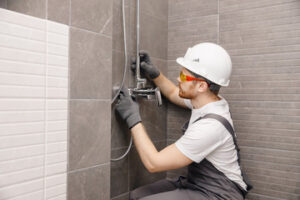
How to Speed Up the Cabinet Refacing Process

Cabinet Refacing Sacramento is a great way to update your kitchen or bathroom with a fresh new look at a fraction of the cost and hassle of a full remodel. With a variety of door styles, finishes and hardware options, you can customize your look to fit any taste.

 cabinet refinishing

Before you start refacing, there are some important things to keep in mind. Read on for tips to help you get the job done faster and more efficiently.

Empty the Cabinets

Cabinet refacing involves covering the flat surfaces of existing cabinet boxes with wood veneer or laminate. It’s a popular choice for homeowners who want to give their kitchen a premium look without the mess and cost of a complete remodel. This process is different from painting or staining because it gives you an entirely new style rather than just a color change.

The first step is to empty out your cabinets and clear away all contents. This gives your refacing team space to work and protects your belongings from dust and other debris. It’s also a good opportunity to clean your cabinets and weed out items you no longer use or need.

After your cabinets are empty, wipe down the surfaces and remove any hardware like hinges and drawer pulls. You can use a mixture of water, soap and vinegar or another mild cleanser to remove any remaining residue. You may also need to touch up any deep dents or scratches with wood putty or auto body filler before you can reface them.

Next, use a utility knife to cut away any caulk or other adhesives holding your cabinets in place. Be sure to label all doors and drawer fronts so you can reinstall them correctly. You might need to replace the hinges and handles when reinstalling them as well.

Professional cabinet refacing teams follow a rigorous preparation process to ensure that the new veneers or laminates bond with the existing substrate and last for years. Skipping or rushing these steps can result in bubbling finishes and separating surfaces, which can be expensive to fix.

Even if the refacing materials match your current kitchen, small measurement errors can create gaps and uneven overlays that ruin the finished look. Detailed measurement guides and experienced teams eliminate these mistakes to ensure that your new cabinet doors and drawer fronts look seamless and integrate seamlessly with the existing cabinet boxes.

Refacing works best on sturdy, structurally sound cabinet boxes. If the box frame is warped, cracked, or damaged, applying new veneers will only mask these problems and may cause the door to hang unevenly or the drawers to misalign. For this reason, it’s important to have your cabinet boxes evaluated by a professional before starting any renovation project.

Prep the Surfaces

Cabinet refacing is a great way to get a fresh new look for your kitchen without the expense and hassle of a complete remodel. The process involves keeping the existing layout and replacing only the doors, drawer fronts and hardware. To give the project a consistent look, a layer of veneer is often applied to the face frames as well. Whether you’re interested in a warm, natural wood texture or a classic, clean paint finish, the type of material you choose can significantly impact project costs.

Before beginning the cabinet refacing process, it’s important to clear out your cabinets and prepare the work area. This step protects your belongings and helps ensure that the job is done correctly. It’s also a great opportunity to clean or weed out items you no longer need or use.

To start, remove all the cabinet and drawer hardware. Then, carefully unscrew and remove the doors and drawers. Store them in a safe place to avoid damage or theft during the project. Next, empty the cabinets and remove any items inside them, such as food or cleaning products. This step can be tedious, but it’s worth it to avoid damage or contamination during the refacing process.

Once the cabinet boxes are empty, make sure there’s a clear path from the entrance to the workspace. It’s also a good idea to cover floors, furniture or appliances with drop cloths to guard against dirt and debris. If you have a dog or cat, consider confining them in another room during the work process.

Before applying the new veneer, it’s important to clean the surface thoroughly. Use a gentle cleanser to remove built-up grime and residue, but be careful not to over-clean. Over-cleaning can cause the veneer to lose its integrity and appearance.

Once you’ve cleaned the surface, it’s time to measure the cabinet openings and determine their dimensions. This will help you order the correct materials for your project.

When you’re ordering your cabinet doors and drawer fronts, it’s a good idea to buy them slightly larger than the measurements you take. This allows for small adjustments and ensures that the new hardware will fit properly.

Clean the Cabinets

Cabinet surfaces are some of the dirtiest and most contaminated areas in any kitchen, especially those positioned above stoves or counters. Grease, oils and other cooking particles rise up through the air and get stuck on the surfaces. Over time, this grime can cause cabinets to feel sticky and look dull. Regular cleaning sessions can keep these surfaces looking like new. However, it’s important to clean the surface of your cabinets properly so the cleaner doesn’t damage the veneer or adhesive. Use a mild cleanser and water to wipe down surfaces. Then, dry everything completely using a microfiber cloth or paper towel to avoid moisture spots that can eventually affect the finish.

Before you start the refacing process, clear out your cabinets and relocate any items that you store in them to another area. This not only gives the refacing team room to work but also protects your belongings from dust and debris during the project. Be sure to remove any removable hardware, like hinges and knobs, and label each piece so it can be returned to the correct place when the refacing is complete.

During the refacing process, it’s also important to clean your countertops and surrounding areas. This will ensure that the refacing team has a clean, even surface to work with. It’s best to use a gentle cleaner that’s safe for wood surfaces, as harsh chemical cleaners may damage them over time. Additionally, it’s important to test any new cleaning solutions in an inconspicuous spot before applying them to the entire countertop.

Once your cabinets are cleaned and dry, they’re ready for the new doors. When purchasing new cabinet doors, consider whether you’d like them to be painted or stained. Some homeowners prefer to go for a custom look and opt for reclaimed or sustainable options that bring a unique look to the space. In addition, it’s important to choose materials that are durable enough for daily use and will withstand seasonal changes.

Depending on the condition of your cabinet boxes, you may be able to save money by refacing them instead of replacing them. If they’re damaged, warped or otherwise unsalvageable, though, replacement might be the better option.

Measure the Cabinets

Cabinet refacing offers homeowners the chance to update their kitchen without the time-consuming, costly disruption of a full remodel. However, even a small-scale cabinet makeover requires accurate measurements and a thorough understanding of best practices to avoid wasting materials. Incorrect cabinet measurements are one of the top reasons DIY projects fail, creating gaps and overlapping edges that ruin both form and function. Professional teams use calibrated tools and proven processes to ensure each piece fits correctly.

Start by measuring the height of each cabinet from floor to ceiling in several spots throughout your kitchen. This will help you account for soffits, uneven walls, and other factors that might affect how well your new cabinets fit. Make sure to also note the location of electrical outlets, pipes, vents, and other obstructions that may need to be moved during installation.

Next, measure the depth of your cabinet boxes to determine if they are deep enough for the new door and drawer fronts you’re planning to install. This will be particularly important if you want to add a more modern or contemporary look to your kitchen by installing taller wall cabinets.

Once you have all the dimensions you need, you’ll be ready to order your cabinet doors and drawer fronts. When they arrive, you’ll need to predrill the hinge cup holes on each door before attaching them to the cabinet box with concealed hinges. You can then test your doors and drawers by swinging them to ensure they open and close properly.

If you’re using wood veneer, you’ll need to lightly sand each piece before applying the adhesive. This will give the glue something to adhere to and minimize the risk of peeling or warping down the line. Laminate and metal cabinetry are more durable, but they still require preparation to ensure the adhesive will hold. Use a high-quality product designed for these surfaces and lightly sand any rough areas to smooth them out before starting.

Once all the pieces are attached, take a step back and examine your work. If any doors rub against each other or against the surrounding walls, you’ll need to reposition the hinges with a screwdriver and level. You’ll also want to check that the new hardware is in place and positioned evenly.

Water Heater Troubleshooting: Common Issues and Solutions

A reliable water heater is one of the most essential components of any modern plumbing system. From warm showers and clean dishes to laundry and daily hygiene, hot water plays a crucial role in maintaining comfort and convenience at home. However, like any appliance, water heaters can develop problems over time. Understanding how to troubleshoot common issues helps homeowners respond quickly, minimize disruptions, and avoid costly repairs.

Water heater troubleshooting does not always require advanced technical knowledge. Many problems begin with small warning signs that can be identified early through observation and regular maintenance. By learning the most common causes of water heater issues and practical solutions, homeowners can keep their systems running efficiently while extending the lifespan of their equipment. Get in touch with Plumbers Arvada for professional support.

plumbing

Understanding How Water Heaters Work

Before diving into troubleshooting tips, it is helpful to understand the basic function of a water heater. These systems heat and store water until it is needed, delivering a consistent supply throughout the home. Whether powered by electricity, gas, or alternative energy sources, water heaters rely on a combination of heating elements, thermostats, and safety components to operate effectively.

Over time, sediment buildup, worn-out parts, or fluctuating water pressure can interfere with performance. Even minor issues such as loose connections or incorrect temperature settings may cause noticeable changes in water temperature or efficiency. Knowing how these systems operate makes it easier to identify potential problems and determine the best course of action.

No Hot Water: Causes and Fixes

One of the most frustrating problems homeowners face is a sudden lack of hot water. This issue can stem from several sources, ranging from simple adjustments to more complex mechanical failures.

For electric water heaters, a tripped circuit breaker or faulty heating element may be the culprit. Gas-powered systems may experience issues related to the pilot light or gas supply. In some cases, the thermostat may be set too low, preventing water from reaching the desired temperature.

Steps to Troubleshoot No Hot Water:

  1. Check Power or Fuel Supply: Ensure the unit is receiving electricity or gas properly.
  2. Inspect the Thermostat Setting: Adjust it to a safe and efficient temperature range.
  3. Look for Error Indicators: Some units display warning lights or codes that signal specific problems.

If basic troubleshooting does not restore hot water, it may be time to consult a professional to avoid further complications.

Inconsistent Water Temperature

Fluctuating water temperatures can be both inconvenient and potentially dangerous. Sudden bursts of hot or cold water may indicate issues with the thermostat, heating elements, or sediment buildup inside the tank.

Sediment accumulation is a common cause of inconsistent heating. Minerals from hard water settle at the bottom of the tank, creating a barrier between the heating element and the water. This reduces efficiency and leads to uneven heating.

Regular flushing of the tank helps remove sediment and restore consistent performance. If temperature issues persist, inspecting or replacing faulty thermostats or heating components may be necessary.

Strange Noises Coming From the Water Heater

Unusual sounds such as popping, rumbling, or banging often signal underlying issues within the tank. These noises are typically caused by sediment buildup that hardens over time. As water heats beneath the sediment layer, trapped steam bubbles create the distinctive popping sound.

Ignoring these noises can lead to reduced efficiency and potential damage to the tank. Routine maintenance, including flushing the water heater, helps prevent sediment accumulation and extends the life of the unit.

Common Sounds and What They May Mean:

  1. Popping or Crackling: Sediment buildup heating unevenly.
  2. Humming: Loose components vibrating during operation.
  3. Whistling: Restricted water flow or pressure imbalance.

Addressing these sounds early can prevent larger mechanical failures down the line.

Low Hot Water Pressure

Reduced water pressure is another common issue that can disrupt daily routines. Mineral buildup inside pipes or the water heater itself may restrict water flow, resulting in weak pressure at faucets and showers.

In some cases, partially closed valves or clogged aerators contribute to the problem. Checking these components first can save time and effort. If the issue originates within the water heater, professional cleaning or part replacement may be required.

Maintaining proper water pressure not only improves comfort but also reduces strain on plumbing fixtures and appliances.

Discolored or Smelly Hot Water

If hot water appears rusty, cloudy, or emits an unpleasant odor, it may indicate corrosion inside the tank or bacterial growth. Rust-colored water often signals that the tank’s protective components are deteriorating, while foul odors may result from bacteria reacting with minerals in the water supply.

Flushing the tank and replacing worn internal parts can help resolve these issues. Installing water filtration or treatment systems may also improve water quality and prevent future problems.

Homeowners should address discoloration promptly, as it may indicate deeper issues that could compromise the system’s longevity.

Water Heater Leaks: What to Watch For

Leaks are among the most serious water heater problems and should never be ignored. Even a small drip can lead to significant water damage over time. Leaks may originate from loose connections, damaged valves, or internal tank corrosion.

Inspecting the area around the water heater regularly helps identify leaks early. If water is pooling near the base of the unit, turning off the water supply and seeking professional assistance is recommended to prevent further damage.

Early Signs of Potential Leaks Include:

  1. Moisture Around Fittings: Loose or worn connections may need tightening or replacement.
  2. Rust or Corrosion: Indicates aging components that may fail soon.
  3. Sudden Drops in Water Pressure: Could signal hidden leaks within the system.

Proactive monitoring helps homeowners avoid costly repairs and maintain a safe environment.

Water Taking Too Long to Heat

If hot water takes longer than usual to reach the desired temperature, the water heater may be struggling to operate efficiently. Aging heating elements, sediment buildup, or incorrect thermostat settings are common causes.

Adjusting the thermostat to an optimal level can sometimes resolve the issue. However, if heating delays continue, it may indicate that the system is nearing the end of its lifespan. Regular maintenance helps prevent efficiency loss and ensures reliable performance.

Preventive Maintenance Tips for Long-Term Performance

While troubleshooting helps resolve existing problems, preventive maintenance is key to avoiding future issues. Routine care keeps water heaters operating smoothly and reduces the risk of unexpected breakdowns.

Homeowners can take several steps to maintain their systems, such as scheduling annual inspections, flushing the tank to remove sediment, and checking pressure relief valves for proper function. Keeping the surrounding area clean and free of clutter also allows for easier inspection and airflow.

Essential Maintenance Practices to Follow:

  1. Flush the Tank Regularly: Removes sediment and improves heating efficiency.
  2. Test Safety Valves: Ensures proper pressure regulation.
  3. Inspect Connections: Prevents leaks and corrosion from developing.
  4. Monitor Temperature Settings: Balances comfort and energy efficiency.

These practices help extend the lifespan of the water heater and reduce long-term repair costs.

When to Call a Professional

While many water heater issues can be identified through basic troubleshooting, some situations require professional expertise. Persistent leaks, electrical problems, or gas-related issues should always be handled by trained technicians. Attempting complex repairs without proper knowledge may result in safety hazards or further damage.

Professional plumbers have the tools and experience needed to diagnose hidden problems and recommend effective solutions. Scheduling regular service appointments ensures that your water heater remains in peak condition and operates safely.

Water heater problems can disrupt daily life, but understanding common issues and solutions makes troubleshooting far less intimidating. From inconsistent temperatures and strange noises to leaks and low pressure, many challenges can be addressed through careful observation and regular maintenance.

By taking a proactive approach to water heater care, homeowners can enjoy reliable hot water, improved energy efficiency, and reduced repair costs. Preventive maintenance, timely troubleshooting, and professional support when needed all contribute to a plumbing system that runs smoothly year after year.

Ultimately, a well-maintained water heater is more than just an appliance—it is a vital part of a comfortable and efficient home. With the right knowledge and a commitment to regular care, homeowners can ensure their water heater continues to deliver dependable performance whenever it is needed most.

What Is the Difference Between a Plumber and a Plumbing Contractor?

What Is the Difference Between a Plumber and a Plumbing Contractor

The terms plumber and plumbing contractor are often used interchangeably, but there is a difference between the two. Plumbing contractors have additional qualifications and training that allows them to complete a wider range of tasks than plumbers.

Flower Mound Plumbers specialize in installing and repairing the piping systems that carry water, waste, and gas in homes and buildings. They also understand codes and ensure that any new construction or renovation meets local building regulations.

Plumbers

Plumbers are licensed trade professionals who install and repair the piping systems that carry water, waste, and gases in homes and commercial buildings. They may work as employees of plumbing companies or independently. Plumbers often complete a number of tasks related to plumbing, such as unclogging drains, repairing leaky pipes, and installing bathroom and kitchen fixtures. They also inspect and test equipment to identify problems. Plumbers may also be called upon to repair and maintain water heaters.

Plumbers must be knowledgeable about building codes and regulations and be able to interpret blueprints and plans to ensure plumbing work meets all required standards. They must also be able to estimate costs and materials needed for plumbing projects. Other duties include communicating with customers and other tradespeople to understand their needs, providing advice and recommendations on plumbing solutions, and ensuring that all plumbing work is completed to the customer’s satisfaction. Plumbers are exposed to a variety of hazards, including chemical and biological contaminants. They are also at risk for infections from contact with human waste, which can contain microbes that cause diseases such as cholera, typhoid, hepatitis, and polio.

A typical workplace for plumbers includes residential homes, office buildings, restaurants, hospitals, and industrial facilities. Some plumbers choose to specialize in one or more of these environments, while others work on a wide range of plumbing issues across various industries and types of buildings. Plumbers can also be self-employed and run their own plumbing businesses.

While the majority of plumbers work in residential homes, some are employed by construction firms to complete plumbing installations on new buildings or renovations. These jobs require a different set of skills than repairs on existing systems and may be overseen by a plumbing contractor. These contractors are skilled at completing larger, more complex projects and may have a team of plumbers who assist them with installation, testing, and inspection. They are also responsible for ensuring that all plumbing works meet all local, state, and federal building codes and ADA requirements. Plumbing contractors can also provide consulting services during the planning stages of a construction project to help avoid costly mistakes down the road.

Plumbing Contractors

There’s a reason Shakespeare didn’t write, “A rose by any other name smells just as sweet.” Plumbers and plumbing contractors are different professionals with different skills and responsibilities.

Plumbers are skilled tradespeople who install, repair and maintain the pipes that bring water into and out of buildings. They typically work on residential and commercial systems. They may work for a plumbing company or operate their own business. Plumbers often receive apprenticeship training and must pass a state certification test to become journeymen, then master plumbers. Plumbers are trained to diagnose and fix plumbing problems, from clogged drains and toilets to broken water heaters. They can also install bathroom and kitchen fixtures, such as sinks, bathtubs and showers, and appliances, including dishwashers, garbage disposals and water filters.

Plumbing contractor are licensed professional tradespeople who are able to take on more complex projects and tasks. They are qualified to do rough and finished plumbing in new construction, re-route plumbing lines in remodeling or renovation jobs, and provide professional installations of back flow preventers, gas control valves, water softening equipment, tankless water heaters and other wastewater system equipment.

They may be called in during the planning stages of a home’s construction to ensure that any new plumbing is up to code with local and federal regulations (and commercial plumbing complies with requirements of the Americans with Disabilities Act). Plumbing contractors are also responsible for providing a final inspection of any plumbing work they complete.

Plumbing contractors typically expect payment on the day of service or in a timely manner once they send out an invoice. They are also more likely to ask for a deposit upfront, which is deducted from the total job cost when the project is completed. A general contractor or builder will usually recommend a reputable plumbing contractor they have worked with in the past. It is also common for clients to find a plumbing contractor through word of mouth or through referrals from friends and family members. Many of these professionals will accept credit cards as a form of payment. Some will even offer a monthly payment plan to make it easier for homeowners and businesses to pay for the services they need.

Plumbing Licenses

Many homeowners will call a plumber when they have an emergency such as a burst pipe or clogged toilet. A plumber has the skills and licenses to handle these plumbing issues, including water and sewer line repairs, installation of fixtures like sinks, showers, faucets, garbage disposals, and more. Plumbers may also have the training and experience to perform professional installations of backflow preventers, gas connections, and water heaters.

Most plumbers start their career with an apprenticeship program. These programs often combine educational hours at trade or technical schools with on-the-job training under a licensed journeyman plumber. This provides the foundational work experience and skill set needed to advance into more advanced roles, like a master plumber.

Once a plumber has completed the required education and training, they can apply to become a licensed journeyman plumber in their state. Once a person has a journeyman license, they can hire employees and operate their own plumbing business. Journeyman plumbers can also work toward their master plumber license, which opens up more career opportunities and allows them to supervise other licensed plumbers.

A plumbing contractor will often focus on new construction, remodeling, and renovation projects for commercial or residential structures. They will meet with general contractors and clients during the planning phase of a project to advise them on what is code-compliant and feasible for a building or space. Plumbing contractors will then complete the plumbing, gas, and fire suppression system installation for each level of a structure.

Most states have licensing requirements for plumbing contractors, and they may also require a contracting license for government jobs. In addition to state licenses, plumbing contractors typically must obtain liability insurance and workers’ compensation insurance if they have employees. They must also meet the financial and experience requirements, depending on their location. For example, in New York City, a plumbing contractor must pass an exam and meet the Department of Buildings’ licensing requirements before they can bid on city contracts.

Plumbing Insurance

Whether you’re an independent plumber or work for a plumbing contractor, it’s important to have the right insurance coverage. A comprehensive policy protects you against various business risks, from legal disputes to theft of tools and more. Insurers consider factors like your location, the size of your business, and the services you offer when calculating your premiums. The specific types of coverage you choose also impact costs. For example, general liability and workers’ compensation insurance have their own price tags that vary depending on the limits and deductibles you select.

Generally speaking, plumbers are the first service professionals homeowners call in an emergency. They handle everything from clogged toilets and sinks to burst pipes, and they typically have the necessary tools on hand to deal with these issues. Plumbers often work in residential settings and must follow local, state, and federal building codes to ensure the safety of occupants.

Plumbing contractors, on the other hand, work in commercial and industrial settings. They install, repair, and maintain the piping systems that deliver water, gas, and waste in these environments. They may also work on fire sprinkler and industrial equipment, and they often collaborate with architects, construction teams, and facility managers.

The types of insurance your plumbing company needs will depend on the services you provide and the type of work you do. However, most plumbers need a minimum of general liability and commercial auto insurance. These policies cover damage to third-party property and bodily injury to workers, as well as physical damages to your work vehicles. In addition, you should also consider workers’ compensation, which covers medical expenses for employees who are injured on the job.

Lastly, your location can have an impact on your premiums. This is because urban areas tend to have higher crime rates and stricter regulations than rural areas. As a result, they usually have higher insurance rates than suburban or rural areas. The size of your business can also impact your rates, as the insurer will consider things like the number of employees, company-owned vehicles, and annual revenue when calculating your premiums.

Navigation