Plumbing is the circulatory system of your home, carrying water and sewage to and from fixtures like sinks, toilets, and showers. Regular maintenance and occasional repairs keep it functioning properly.
Plumbers use a variety of tools and skills to complete their work. Strong soft skills are also important for this profession, including communication and teamwork.
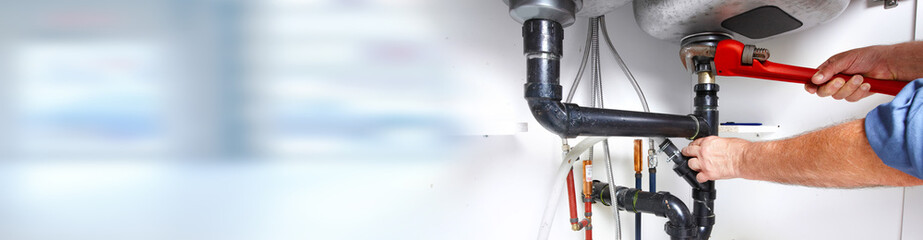
Pipes
Pipes are what keep a home’s plumbing, sewage, electrical, and HVAC systems up and running. Without pipes, most of these systems would not work properly or safely. Pipes are made from many different materials and have a variety of functions. They can be used to convey water or other liquids, house electrical wiring, or even be repurposed into decorative objects.
Plumbing pipes are usually hollow cylinders with a circular cross-section and are used mainly to convey substances that can flow—liquids and gases, slurries, or masses of solids. They can be made from many types of material, including ceramic, glass, fiberglass, many metals, concrete, and plastic.
The most common residential pipes are made from PVC, PEX, ABS, copper, and galvanized steel. Plumbers typically prefer to use PEX pipes for main water lines because they can handle high levels of pressure, are more durable than other materials, and have smooth inner linings that reduce sediment buildup. They are also lightweight and easy to weave through walls and other obstacles. However, the most common commercial pipes are made from steel because they are strong enough to hold a high amount of pressure and can withstand the rigors of industrial uses.
Fixtures
Fixtures include sinks, faucets, tubs, showerheads, toilets, and other similar appliances. They are available in many different styles and materials, allowing homeowners to customize the aesthetic of each room. When choosing a new fixture, it’s important to consider its quality and functionality. A high-quality fixture is more durable and resistant to wear and tear, reducing maintenance needs and repairs over time.
Plumbing fixtures can be made from a variety of materials, including stainless steel, brass, and chrome-plated brass. Each material offers unique qualities and benefits, such as durability, corrosion resistance, and ease of maintenance.
In addition to style and functionality, it’s also important to consider the size of a fixture when selecting one. Making sure that a new fixture fits properly with existing plumbing connections can help prevent issues like leaks and water spots. It’s also a good idea to look for fixtures that are easy to clean, as this can reduce the frequency of maintenance tasks and overall cleaning costs. In addition, choosing a fixture with an ergonomic design can help improve user safety and comfort.
Valves
Valves are a necessary part of any plumbing system, allowing fluids to flow through the pipes. They can be used for a wide variety of purposes, from industrial uses like controlling processes to residential uses such as on/off and pressure control. Valves come in a wide range of sizes and can be made from several materials, including stainless steel.
Stainless steel valves are a great choice for processing environments that require high-temperature, high-pressure, or harsh chemicals. They can also be used to control the flow of liquids, gases, and slurries in many different applications.
There are seven common types of valves: globe, gate, needle, ball, plug (cock), butterfly, and poppet. Each type of valve has its unique way of opening and closing, but they all use a movable element that either opens, shuts, or partially obstructs the passageway through which it is set.
The movable element in most valves is kept on its seat by some sort of force, such as gravity or a spring; this allows the valve to operate automatically, and prevents backflow or leakage through the valve. The movable element is usually connected to the valve body via ports. A handle or similar device is used to manually operate the valve from outside the body, but some types of valves are automatically controlled using an actuator based on changes in temperature, pressure, or flow.
Drains
Drains may be used during surgery to evacuate fluid and gas from a wound or body cavity. They can be either passive or active, and can use either a suction bulb (medivac, Jackson-Pratt) or intermittent negative pressure (Jackson-Pratt).2
Passive drains rely on capillary action, gravity, overflow, and fluctuations of pressure gradients from body movement to move fluid through them. Active drains use intermittent or continuous negative pressure to remove fluid and collapse dead space without damaging the surgical wound or adjacent tissue.
Patients whose drains are not correctly managed can develop complications. Interprofessional communication is critical to minimizing these risks and involves all members of the healthcare team. Nurses, in particular, should monitor the drain site for erythema and purulent discharge as well as systemic symptoms such as fever and malaise. They should also regularly strip the tubing, empty and record the output quantity, and replace significant fluid losses. They should also know how to change a Jackson-Pratt drain when it becomes clogged and should notify the treating team.3
Sewers
A sewer is a network of pipes that conveys domestic and pretreated industrial wastewater. It’s also used to manage stormwater runoff. It’s essential to prevent water pollution and promote healthy communities. A properly functioning sewer system requires periodic inspections and maintenance.
While the terms drain and sewer are often confused, they have very different functions. A drain is a pipe that takes water and waste from a single home or business to the sewer system. Once there, it joins the flow of wastewater from other homes and businesses. A network of sewer pipes then transports it to a sewage treatment plant.
The most common way to fix a broken sewer line is by replacing it with a new section of pipe. However, some plumbers prefer to use an innovative technique called pipe bursting. This method replaces the old pipe without digging up the entire street or sidewalk. It involves drawing a new pipe through an existing pipe using an expander head that breaks apart the older pipe as it passes through. This process is quicker and less expensive than traditional methods.