Handyman Construction Services: The Smart Solution for Everyday Repairs and Small-Scale Projects

In the world of home improvement, not every project requires a full-scale renovation or a large construction crew. Many property owners find themselves facing a long list of minor repairs, upgrades, and maintenance tasks that, while individually small, collectively impact the comfort, safety, and value of their space. This is where Handyman Construction services step in as a practical, efficient, and cost-effective solution. With a focus on versatility and convenience, these services bridge the gap between do-it-yourself efforts and large contractor-led projects.
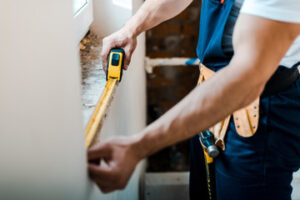
handyman

Handyman construction services are designed to address a wide range of tasks, from fixing minor issues to completing small-scale installations. Unlike specialized contractors who focus on a single trade, handymen bring a broad skill set that allows them to handle multiple types of work in a single visit. This flexibility is particularly valuable for homeowners and property managers who need to tackle various projects without the hassle of coordinating multiple service providers.

One of the defining characteristics of handyman construction services is their adaptability. Whether it’s repairing drywall, installing fixtures, assembling furniture, or addressing minor plumbing and electrical issues, a skilled handyman can provide efficient solutions tailored to specific needs. This adaptability not only saves time but also reduces the complexity of managing multiple projects. Instead of hiring separate professionals for each task, property owners can rely on a single service provider to handle a diverse range of responsibilities.

Another important advantage of handyman services is their focus on efficiency. Small projects often get delayed because they are perceived as less urgent or because scheduling specialized contractors for minor work can be challenging. Handyman professionals are equipped to complete these tasks quickly, ensuring that issues are resolved before they escalate into more significant problems. This proactive approach helps maintain the overall condition of a property and prevents costly repairs in the future.

The scope of handyman construction services is extensive, covering both interior and exterior work. Inside the home, services may include repairing walls, installing shelving, replacing fixtures, and performing basic carpentry. Outside, handymen can assist with tasks such as fence repairs, deck maintenance, and minor landscaping improvements. This comprehensive approach ensures that every part of a property can be maintained and improved with minimal disruption.

To better understand the value of handyman construction services, it is helpful to explore some of the most common tasks they handle:

  1. General Repairs and Maintenance – Fixing leaks, repairing damaged surfaces, and addressing wear and tear.
  2. Fixture Installation – Installing lighting, faucets, and other household fixtures.
  3. Carpentry Work – Building or repairing shelves, cabinets, and small structures.
  4. Painting and Finishing – Refreshing walls, trim, and other surfaces for a polished look.
  5. Assembly and Installation – Putting together furniture and installing appliances or equipment.

Each of these services contributes to maintaining a functional and visually appealing environment, highlighting the practical benefits of hiring a handyman.

Cost-effectiveness is another major reason why property owners turn to handyman construction services. Large-scale contractors often have minimum project requirements, making them less suitable for smaller jobs. Handyman services, on the other hand, are typically more affordable and flexible, allowing clients to address specific needs without exceeding their budget. By consolidating multiple tasks into a single service call, property owners can also reduce overall labor costs.

In addition to affordability, handyman services offer a level of convenience that is difficult to match. Scheduling a single professional to handle multiple tasks simplifies the process and minimizes disruptions to daily routines. This is particularly beneficial for busy homeowners who may not have the time or expertise to manage repairs on their own. With a reliable handyman, projects can be completed efficiently, allowing property owners to focus on other priorities.

Another key aspect of handyman construction services is their role in preventive maintenance. Regular upkeep is essential for preserving the condition and value of a property, yet it is often overlooked until problems arise. Handymen can perform routine inspections and address minor issues before they develop into major concerns. This proactive approach not only extends the lifespan of various components but also reduces the likelihood of unexpected expenses.

Safety is an important consideration in any construction or repair work, and handyman services are no exception. Even seemingly simple tasks can pose risks if not handled properly. From working with electrical systems to using power tools, these activities require knowledge and caution. Professional handymen are trained to follow safety protocols, ensuring that work is completed without compromising the well-being of occupants or the integrity of the property.

While handyman construction services are highly versatile, it is important to recognize their limitations. Complex projects that involve significant structural changes or specialized systems may require licensed contractors with specific expertise. However, for the majority of everyday tasks and small-scale improvements, handymen provide an ideal solution that balances quality, efficiency, and cost.

For those considering hiring handyman services, a strategic approach can help maximize the benefits. Rather than addressing issues one at a time, it is often more efficient to compile a list of tasks and tackle them in a single visit. This not only saves time but also ensures that all necessary work is completed in a coordinated manner.

Here are some practical tips for making the most of handyman construction services:

  1. Create a Detailed Task List – Identify all repairs and improvements that need attention before scheduling a service.
  2. Prioritize Urgent Issues – Address safety-related or time-sensitive tasks first.
  3. Set a Clear Budget – Establish financial parameters to guide the scope of work.
  4. Communicate Expectations – Provide clear instructions and discuss desired outcomes with the handyman.
  5. Plan for Future Maintenance – Use the opportunity to address potential issues and prevent future problems.

By following these steps, property owners can ensure a more productive and satisfying experience.

Another emerging trend in handyman construction services is the integration of modern solutions and technologies. From installing smart home devices to upgrading energy-efficient fixtures, handymen are increasingly adapting to the evolving needs of homeowners. This ability to incorporate contemporary features adds an extra layer of value, allowing clients to modernize their spaces without undertaking major renovations.

The appeal of handyman services also extends to property managers and landlords. Maintaining multiple properties can be a complex task, especially when dealing with frequent repairs and tenant requests. Handyman professionals provide a reliable resource for addressing these needs quickly and efficiently, helping to maintain tenant satisfaction and protect the value of the investment.

Beyond functionality, handyman construction services can also enhance the overall aesthetic of a property. Small improvements, such as updating fixtures, repairing finishes, or adding decorative elements, can have a significant impact on the look and feel of a space. These changes may seem minor, but they contribute to a more polished and inviting environment.

In conclusion, handyman construction services offer a practical and versatile solution for managing everyday repairs and small-scale projects. By combining a broad skill set with efficiency and affordability, these professionals provide valuable support for maintaining and improving properties. From addressing minor issues to enhancing functionality and aesthetics, handyman services play a crucial role in ensuring that spaces remain safe, comfortable, and visually appealing. With the right approach and a clear understanding of their capabilities, property owners can leverage these services to achieve meaningful improvements without the complexity of larger construction projects.

What Is the Difference Between a Plumber and a Plumbing Contractor?

What Is the Difference Between a Plumber and a Plumbing Contractor

The terms plumber and plumbing contractor are often used interchangeably, but there is a difference between the two. Plumbing contractors have additional qualifications and training that allows them to complete a wider range of tasks than plumbers.

Flower Mound Plumbers specialize in installing and repairing the piping systems that carry water, waste, and gas in homes and buildings. They also understand codes and ensure that any new construction or renovation meets local building regulations.

Plumbers

Plumbers are licensed trade professionals who install and repair the piping systems that carry water, waste, and gases in homes and commercial buildings. They may work as employees of plumbing companies or independently. Plumbers often complete a number of tasks related to plumbing, such as unclogging drains, repairing leaky pipes, and installing bathroom and kitchen fixtures. They also inspect and test equipment to identify problems. Plumbers may also be called upon to repair and maintain water heaters.

Plumbers must be knowledgeable about building codes and regulations and be able to interpret blueprints and plans to ensure plumbing work meets all required standards. They must also be able to estimate costs and materials needed for plumbing projects. Other duties include communicating with customers and other tradespeople to understand their needs, providing advice and recommendations on plumbing solutions, and ensuring that all plumbing work is completed to the customer’s satisfaction. Plumbers are exposed to a variety of hazards, including chemical and biological contaminants. They are also at risk for infections from contact with human waste, which can contain microbes that cause diseases such as cholera, typhoid, hepatitis, and polio.

A typical workplace for plumbers includes residential homes, office buildings, restaurants, hospitals, and industrial facilities. Some plumbers choose to specialize in one or more of these environments, while others work on a wide range of plumbing issues across various industries and types of buildings. Plumbers can also be self-employed and run their own plumbing businesses.

While the majority of plumbers work in residential homes, some are employed by construction firms to complete plumbing installations on new buildings or renovations. These jobs require a different set of skills than repairs on existing systems and may be overseen by a plumbing contractor. These contractors are skilled at completing larger, more complex projects and may have a team of plumbers who assist them with installation, testing, and inspection. They are also responsible for ensuring that all plumbing works meet all local, state, and federal building codes and ADA requirements. Plumbing contractors can also provide consulting services during the planning stages of a construction project to help avoid costly mistakes down the road.

Plumbing Contractors

There’s a reason Shakespeare didn’t write, “A rose by any other name smells just as sweet.” Plumbers and plumbing contractors are different professionals with different skills and responsibilities.

Plumbers are skilled tradespeople who install, repair and maintain the pipes that bring water into and out of buildings. They typically work on residential and commercial systems. They may work for a plumbing company or operate their own business. Plumbers often receive apprenticeship training and must pass a state certification test to become journeymen, then master plumbers. Plumbers are trained to diagnose and fix plumbing problems, from clogged drains and toilets to broken water heaters. They can also install bathroom and kitchen fixtures, such as sinks, bathtubs and showers, and appliances, including dishwashers, garbage disposals and water filters.

Plumbing contractor are licensed professional tradespeople who are able to take on more complex projects and tasks. They are qualified to do rough and finished plumbing in new construction, re-route plumbing lines in remodeling or renovation jobs, and provide professional installations of back flow preventers, gas control valves, water softening equipment, tankless water heaters and other wastewater system equipment.

They may be called in during the planning stages of a home’s construction to ensure that any new plumbing is up to code with local and federal regulations (and commercial plumbing complies with requirements of the Americans with Disabilities Act). Plumbing contractors are also responsible for providing a final inspection of any plumbing work they complete.

Plumbing contractors typically expect payment on the day of service or in a timely manner once they send out an invoice. They are also more likely to ask for a deposit upfront, which is deducted from the total job cost when the project is completed. A general contractor or builder will usually recommend a reputable plumbing contractor they have worked with in the past. It is also common for clients to find a plumbing contractor through word of mouth or through referrals from friends and family members. Many of these professionals will accept credit cards as a form of payment. Some will even offer a monthly payment plan to make it easier for homeowners and businesses to pay for the services they need.

Plumbing Licenses

Many homeowners will call a plumber when they have an emergency such as a burst pipe or clogged toilet. A plumber has the skills and licenses to handle these plumbing issues, including water and sewer line repairs, installation of fixtures like sinks, showers, faucets, garbage disposals, and more. Plumbers may also have the training and experience to perform professional installations of backflow preventers, gas connections, and water heaters.

Most plumbers start their career with an apprenticeship program. These programs often combine educational hours at trade or technical schools with on-the-job training under a licensed journeyman plumber. This provides the foundational work experience and skill set needed to advance into more advanced roles, like a master plumber.

Once a plumber has completed the required education and training, they can apply to become a licensed journeyman plumber in their state. Once a person has a journeyman license, they can hire employees and operate their own plumbing business. Journeyman plumbers can also work toward their master plumber license, which opens up more career opportunities and allows them to supervise other licensed plumbers.

A plumbing contractor will often focus on new construction, remodeling, and renovation projects for commercial or residential structures. They will meet with general contractors and clients during the planning phase of a project to advise them on what is code-compliant and feasible for a building or space. Plumbing contractors will then complete the plumbing, gas, and fire suppression system installation for each level of a structure.

Most states have licensing requirements for plumbing contractors, and they may also require a contracting license for government jobs. In addition to state licenses, plumbing contractors typically must obtain liability insurance and workers’ compensation insurance if they have employees. They must also meet the financial and experience requirements, depending on their location. For example, in New York City, a plumbing contractor must pass an exam and meet the Department of Buildings’ licensing requirements before they can bid on city contracts.

Plumbing Insurance

Whether you’re an independent plumber or work for a plumbing contractor, it’s important to have the right insurance coverage. A comprehensive policy protects you against various business risks, from legal disputes to theft of tools and more. Insurers consider factors like your location, the size of your business, and the services you offer when calculating your premiums. The specific types of coverage you choose also impact costs. For example, general liability and workers’ compensation insurance have their own price tags that vary depending on the limits and deductibles you select.

Generally speaking, plumbers are the first service professionals homeowners call in an emergency. They handle everything from clogged toilets and sinks to burst pipes, and they typically have the necessary tools on hand to deal with these issues. Plumbers often work in residential settings and must follow local, state, and federal building codes to ensure the safety of occupants.

Plumbing contractors, on the other hand, work in commercial and industrial settings. They install, repair, and maintain the piping systems that deliver water, gas, and waste in these environments. They may also work on fire sprinkler and industrial equipment, and they often collaborate with architects, construction teams, and facility managers.

The types of insurance your plumbing company needs will depend on the services you provide and the type of work you do. However, most plumbers need a minimum of general liability and commercial auto insurance. These policies cover damage to third-party property and bodily injury to workers, as well as physical damages to your work vehicles. In addition, you should also consider workers’ compensation, which covers medical expenses for employees who are injured on the job.

Lastly, your location can have an impact on your premiums. This is because urban areas tend to have higher crime rates and stricter regulations than rural areas. As a result, they usually have higher insurance rates than suburban or rural areas. The size of your business can also impact your rates, as the insurer will consider things like the number of employees, company-owned vehicles, and annual revenue when calculating your premiums.

Navigation