Your 24 Hour HVAC Company system plays a crucial role in maintaining indoor comfort, regulating temperature, and improving air quality throughout the year. Because it operates behind the scenes, many property owners overlook subtle warning signs until the system begins to struggle or fails. Recognizing early indicators of trouble can help prevent costly breakdowns, extend equipment lifespan, and maintain energy efficiency. Understanding the signs your HVAC system needs repair allows you to act quickly, minimize disruptions, and keep your indoor environment comfortable regardless of the season.
One of the most noticeable signs that an HVAC system requires attention is inconsistent temperature throughout the space. If certain rooms feel significantly warmer or cooler than others, it may indicate issues with airflow, ductwork, or internal components. While minor fluctuations can occur naturally, persistent uneven temperatures often suggest that the system is working harder than it should. Ignoring this problem can lead to higher energy bills and increased wear on critical parts. Addressing airflow imbalances early can restore efficiency and improve overall comfort.
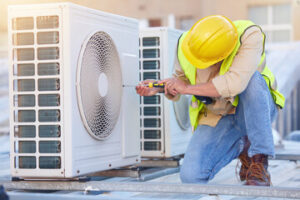
Unusual noises coming from the HVAC unit are another clear indication that repairs may be necessary. A properly functioning system typically produces a steady, low-level sound, but grinding, banging, rattling, or squealing noises often signal mechanical problems. These sounds may result from loose parts, worn belts, or debris interfering with moving components. While it may be tempting to overlook occasional noises, they often worsen over time and can lead to more significant damage if left unresolved. Scheduling a professional inspection when unusual sounds first appear can prevent minor issues from escalating into major repairs.
Rising energy bills without a noticeable change in usage patterns are also a common sign of HVAC trouble. When a system becomes less efficient due to clogged filters, refrigerant issues, or aging components, it must work harder to maintain the desired temperature. This increased effort translates into higher utility costs. Monitoring monthly energy consumption can help property owners identify patterns that suggest declining performance. By addressing efficiency issues promptly, it becomes possible to restore optimal operation and reduce unnecessary expenses.
Another warning sign that often goes unnoticed is poor indoor air quality. If occupants begin to experience increased dust, unusual odors, or excessive humidity, the HVAC system may not be filtering or circulating air properly. Dirty coils, blocked vents, or malfunctioning fans can contribute to these problems. Over time, poor air quality can affect both comfort and health, making it important to address the underlying cause as soon as possible. Regular maintenance and timely repairs help ensure that the system continues to provide clean, balanced airflow.
Some HVAC problems become evident through changes in system performance. For example, if the unit frequently turns on and off in short cycles, it may be struggling to maintain the desired temperature. Short cycling not only reduces comfort but also places extra strain on components, leading to faster wear and tear. Similarly, a system that runs continuously without reaching the set temperature may be dealing with airflow restrictions, thermostat issues, or internal malfunctions. Recognizing these performance changes early can prevent more extensive damage.
There are several early warning signs that property owners should watch for when evaluating HVAC system health:
- Weak airflow from vents: This may indicate clogged filters, duct obstructions, or failing fans.
- Unusual odors during operation: Musty or burning smells can signal mold growth, electrical problems, or debris buildup.
- Frequent thermostat adjustments: Constantly changing settings to maintain comfort may point to underlying system inefficiencies.
Water leaks or moisture buildup around the HVAC unit can also signal the need for repairs. While some condensation is normal during operation, excessive moisture may indicate clogged drain lines, frozen coils, or refrigerant issues. Over time, unchecked moisture can lead to structural damage, mold growth, or reduced system performance. Addressing leaks promptly not only protects the equipment but also helps maintain a healthier indoor environment.
Another sign that an HVAC system may require professional attention is an aging unit that struggles to keep up with demand. As systems grow older, components naturally wear down, making repairs more frequent. While regular maintenance can extend lifespan, there comes a point when declining performance becomes noticeable. Increased repair frequency, reduced efficiency, and inconsistent operation often suggest that parts are nearing the end of their usable life. In such cases, professional evaluation can help determine whether targeted repairs or more comprehensive upgrades are the best solution.
Thermostat issues are often overlooked but can significantly affect HVAC performance. If the system does not respond accurately to temperature adjustments or displays inconsistent readings, the thermostat may be malfunctioning. A faulty thermostat can cause the HVAC unit to run longer than necessary or fail to activate when needed. Addressing this seemingly small component can restore balance to the entire system and improve overall efficiency. Simple calibration or replacement may resolve problems that initially appear more complex.
Property owners should also pay attention to changes in airflow pressure. If vents suddenly feel weaker or certain areas receive less circulation, the system may be experiencing duct leaks or internal blockages. Over time, dust accumulation or damaged ductwork can restrict airflow, forcing the HVAC unit to work harder. Professional inspections can identify these hidden issues and restore balanced airflow throughout the space. Improved circulation not only enhances comfort but also reduces energy consumption.
When evaluating whether an HVAC system needs repair, it helps to consider the broader impact of small warning signs. Minor issues often develop gradually, making them easy to ignore until they cause significant disruption. Establishing a habit of routine observation can help identify potential problems early. For example, noticing a slight increase in noise, a faint odor, or a minor drop in efficiency may provide valuable clues about system health. Acting on these observations quickly can save time, money, and stress in the long run.
In addition to watching for warning signs, property owners can take proactive steps to reduce the likelihood of unexpected repairs:
- Replace air filters regularly: Clean filters improve airflow and prevent strain on the system.
- Keep outdoor units clear of debris: Proper ventilation helps maintain efficient operation.
- Schedule periodic inspections: Professional evaluations help identify hidden issues before they worsen.
Seasonal transitions often reveal underlying HVAC problems, as systems work harder during extreme temperatures. Before peak usage periods, it is wise to evaluate performance and address any unusual behavior. Systems that struggle during high-demand seasons may already be experiencing mechanical stress, and early intervention can prevent complete breakdowns. Regular seasonal checkups also provide an opportunity to clean components, test performance, and ensure that all parts are functioning as intended.
Another factor to consider is the impact of neglect on long-term system health. Delaying repairs may seem cost-effective initially, but unresolved issues often lead to larger and more expensive problems over time. A small refrigerant leak, for example, can eventually damage the compressor if left untreated. Similarly, ignoring worn belts or loose components can cause cascading failures that affect multiple parts of the system. Prioritizing timely repairs protects your investment and helps maintain consistent comfort throughout the property.
The benefits of addressing HVAC repair needs promptly extend beyond comfort alone. Efficient systems consume less energy, produce fewer emissions, and maintain better indoor air quality. By recognizing early warning signs and seeking professional assistance when necessary, property owners can reduce their environmental impact while preserving equipment performance. This proactive approach supports sustainable living practices and helps ensure that the HVAC system continues to operate reliably for years to come.
Ultimately, understanding the signs your HVAC system needs repair empowers you to take control of your indoor environment. From unusual noises and inconsistent temperatures to rising energy bills and reduced airflow, each warning sign offers valuable insight into system health. Paying attention to these indicators allows property owners to address problems before they escalate, maintaining efficiency and avoiding unnecessary expenses. With regular observation, timely maintenance, and a commitment to proactive care, it becomes possible to keep your HVAC system running smoothly and efficiently, ensuring lasting comfort and peace of mind.